

Ozempic (Semaglutide) Injection Pens
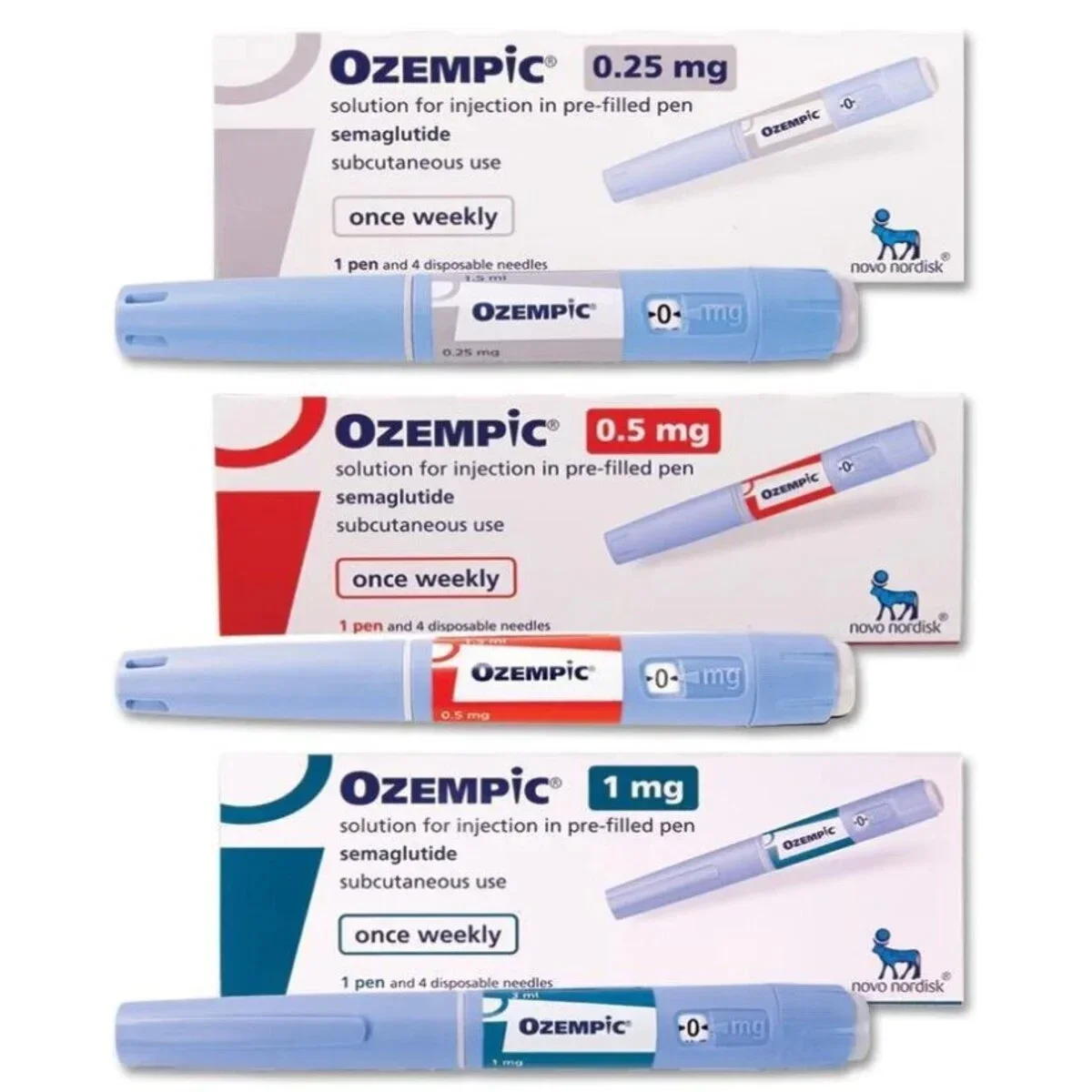
Ozempic is available following a comprehensive online clinical assessment. One of our qualified UK prescribers will review your medical history to determine whether treatment is clinically appropriate.
• Comprehensive online clinical assessment
• Reviewed by a qualified UK prescriber
• Treatment supplied where clinically appropriate
• Prompt, discreet UK delivery
Frequently Asked Questions
What is Ozempic used for?
Ozempic contains semaglutide, a medicine licensed in the UK to improve blood glucose control in adults with type 2 diabetes mellitus. It may also reduce the risk of major cardiovascular events in certain adults with type 2 diabetes and established cardiovascular disease.
How does Ozempic work?
Ozempic belongs to a group of medicines called GLP-1 receptor agonists.
It works by:
- increasing insulin release when blood sugar is high
- reducing the amount of glucose produced by the liver
- slowing stomach emptying
- helping reduce appetite
These effects improve blood sugar control and often result in weight loss.
How often do I use Ozempic?
Ozempic is injected once every week on the same day each week.
It can be taken with or without food and at any time of day.
If necessary, you can change your injection day provided at least 3 days (72 hours) have passed since your last dose.
Where should I inject Ozempic?
Ozempic is injected under the skin (subcutaneously).
Recommended injection sites include:
- abdomen
- thigh
- upper arm
Rotate injection sites regularly to reduce skin irritation.
Do not inject into a vein or muscle.
What happens if I miss a dose?
If you remember within 5 days, take the missed dose as soon as possible.
If more than 5 days have passed, skip the missed dose and take your next scheduled dose as usual.
Do not take two doses close together to make up for a missed injection.
What side effects are most common?
The most common side effects include:
- nausea
- vomiting
- diarrhoea
- constipation
- abdominal pain
- reduced appetite
These are usually most noticeable when treatment begins or after a dose increase and often improve over time.
How can I reduce nausea?
Many people find it helpful to:
- eat smaller meals
- eat more slowly
- avoid fatty or greasy foods
- drink plenty of fluids
- stop eating when comfortably full
If nausea is severe or persistent, contact your prescriber.
Can Ozempic cause low blood sugar?
Ozempic does not usually cause hypoglycaemia on its own.
However, the risk increases if it is used together with:
- insulin
- sulfonylureas (such as gliclazide)
Your diabetes team may adjust these medicines if necessary.
Can I drink alcohol while using Ozempic?
Alcohol does not directly interact with Ozempic.
However, excessive alcohol may:
- increase the risk of low blood sugar (particularly if taking insulin or sulfonylureas)
- worsen dehydration if you experience vomiting or diarrhoea
Drink alcohol within recommended limits.
Who should not use Ozempic?
Ozempic may not be suitable if you:
- have type 1 diabetes
- have diabetic ketoacidosis
- are pregnant or planning pregnancy
- are breastfeeding (unless advised by a specialist)
- have a history of serious hypersensitivity to semaglutide
Extra caution may also be required if you have severe gastrointestinal disease.
What symptoms require urgent medical attention?
Stop using Ozempic and seek urgent medical advice if you develop:
- severe, persistent abdominal pain (which may indicate pancreatitis)
- persistent vomiting causing dehydration
- signs of a serious allergic reaction
- sudden changes in vision
- severe hypoglycaemia (if used with insulin or sulfonylureas)
Will Ozempic cure my diabetes?
No.
Ozempic helps improve blood glucose control but does not cure type 2 diabetes.
It works best alongside:
- healthy eating
- regular physical activity
- maintaining a healthy weight
- taking other prescribed medicines as directed
How will Goodcure supply Ozempic?
If Ozempic is supplied through Goodcure, you'll first complete a confidential online clinical assessment.
One of our qualified UK prescribers will review your medical history, current medicines and treatment suitability. If prescribing is clinically appropriate, your medication will be professionally dispensed and delivered promptly in discreet packaging.
References
- NICE NG28: Type 2 diabetes in adults: management
- BNF: Semaglutide
- Electronic Medicines Compendium (eMC): Ozempic Summary of Product Characteristics
- MHRA: GLP-1 receptor agonists – safety updates
- NHS: Type 2 diabetes and injectable GLP-1 receptor agonists