

Rozex 0.75% Gel for Rosacea (30g)
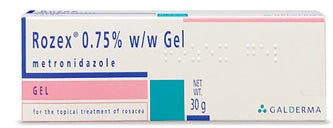
Rozex Gel contains metronidazole to help reduce the redness and inflammation associated with rosacea following assessment by one of our qualified UK prescribers.
• Quick online clinical assessment
• Reviewed by a qualified UK prescriber
• Treatment supplied where clinically appropriate
• Prompt, discreet UK delivery
Clinical Information
Rozex 0.75% Gel is an established, clinically proven topical prescription treatment licensed in the UK for the management of inflammatory rosacea. The active pharmaceutical ingredient, metronidazole, possesses potent anti-inflammatory and antibacterial properties. It targets the underlying inflammatory process directly, significantly reducing the appearance of persistent facial redness, papules (raised red bumps), and pustules (pus-filled blemishes) common with acne rosacea.
Metronidazole (0.75% w/w)
Lightweight, water-based gel structure ideal for oily or combination skin profiles.
Suppression of inflammatory lesions and generalized erythema (redness) in rosacea.
Application & Administration Guide
To successfully achieve therapeutic outcomes while preserving skin barrier integrity, strictly adhere to the following protocol:
- Skin Preparation: Thoroughly wash the entire face with a mild, non-comedogenic cleanser and pat completely dry with a clean towel. Allow the skin to sit for a few minutes to ensure zero residual moisture before application.
- Dosing Frequency: Apply thinly to all affected facial areas twice daily—typically once in the morning and once in the evening before bed.
- Application Technique: Smooth a pea-sized amount over the skin in a fine layer. Avoid the delicate tissues directly surrounding the eye contours, nostrils, and mouth lining. Wash your hands thoroughly post-application.
- Skincare Layering: Allow Rozex Gel to completely absorb and dry into the skin (approximately 5 to 10 minutes) before applying any oil-free moisturizers, non-comedogenic cosmetics, or high-factor broad-spectrum sunscreens.
- Treatment Timeline: A standard clinical course ranges between 8 to 12 weeks. Consistency is key, as noticeable improvement typically emerges after several weeks of continuous application.
Important Patient Safety Details
In adherence to UK prescribing guidelines, review these mandatory medical precautions prior to implementing this treatment.
- UV Exposure & Photosensitivity: Strong sunlight and UV exposure (including sunbeds) should be actively avoided during treatment. Metronidazole can undergo degradation under strong UV light, reducing its clinical efficacy while accelerating skin irritation. Always wear a daily SPF.
- Local Skin Reactions: Mild transient side effects may occur, including temporary skin dryness, stinging, burning, or localized redness. If severe irritation or contact dermatitis develops, reduce application frequency or pause use and consult our pharmacy team.
- Systemic Interactions: Though systemic absorption through the skin is minimal, use with caution if you are taking oral anticoagulants (such as Warfarin), as metronidazole can theoretically interact and potentiate their blood-thinning effect.
- Pregnancy & Lactation: Rozex Gel should be avoided during the first trimester of pregnancy and while breastfeeding unless explicitly determined to be clinically essential by an appropriate medical specialist.
Frequently Asked Questions: Rozex 0.75% Gel Rosacea Treatment 30g
How long does it take for Rozex Gel to start working? Rosacea treatment requires consistent application. While minor improvements in skin inflammation can occasionally be noted earlier, significant clinical results typically become visibly apparent between 4 to 8 weeks of continuous, twice-daily use.
A full licensed treatment course generally spans 8 to 12 weeks. It is crucial to continue applying the gel for the full duration recommended by our prescriber, even if your skin begins to clear up sooner.
Can I drink alcohol while using topical Rozex Gel? When metronidazole is taken orally (as tablets), alcohol must be strictly avoided to prevent a severe, unpleasant reaction. However, because Rozex Gel is applied topically to the face, the amount of the medication absorbed into your bloodstream is extremely minimal.
Consequently, an adverse interaction with alcohol is highly improbable. With that noted, clinicians advise moderation, as alcohol consumption is a well-documented lifestyle trigger that can dilate facial blood vessels and worsen underlying rosacea flushing.
What is the difference between Rozex Gel and Rozex Cream? Both preparations contain the exact same clinical strength of the active drug (0.75% metronidazole). The sole distinction lies in the base carrier vehicle, chosen according to your unique skin profile:
-
Rozex Gel: Formulated on a lightweight, oil-free, water-based foundation. It absorbs quickly without leaving a residue, making it highly recommended for individuals with oily, combination, or acne-prone skin complexions.
-
Rozex Cream: Formulated with emollient qualities to help lock in moisture. It is best suited for individuals experiencing dry, sensitive, peeling, or mature skin types.
How should Rozex Gel fit into my existing daily skincare routine? For maximum therapeutic efficacy, always prioritize your medicated treatments over standard cosmetic layers. Follow this order of care:
-
Cleanse: Wash your face gently with a mild cleanser and wait until the skin is entirely dry.
-
Medicate: Apply a thin, pea-sized film of Rozex Gel across the affected areas.
-
Rest: Wait 5 to 10 minutes to allow the gel layer to fully sink into the skin barrier.
-
Protect & Hydrate: Follow up with your standard non-comedogenic (pore-friendly) daily moisturizer, broad-spectrum sunscreen (SPF 30 or higher), or cosmetics.
What should I do if Rozex makes my skin feel dry or irritated? It is common to experience mild, temporary local skin reactions when first introducing metronidazole, including a slight stinging, dry patchiness, or mild scaling.
If skin dryness or irritation becomes uncomfortable, you can try applying a gentle, fragrance-free moisturizer a few minutes after the gel has dried. Alternatively, you may reduce application to once daily or pause treatment for 2 to 3 days until your skin calms down before gently restarting. If severe or persistent irritation occurs, discontinue use completely and reach out to our clinical team for alternative management pathways.