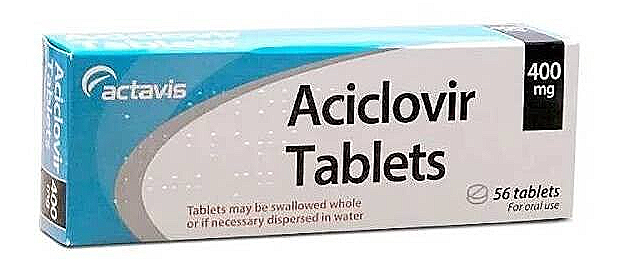
Genital Herpes Treatment

£10.49

Take control of outbreaks with Goodcure’s aciclovir tablets—fast, discreet, and delivered after a simple online assessment. Your privacy matters: once approved, treatment arrives promptly at your door with no fuss.

Genital Herpes Treatment

If you suffer from genital herpes and are tired of waiting for your symptoms to clear. Aciclovir tablets work quickly to stop the virus in its tracks leaving you free from irritation, blisters and crusting when taken as soon as symptoms start to appear.

What is Aciclovir and what is it used for?

Aciclovir is an antiviral tablet, which is used to prevent or treat infections from the herpes simplex virus (HSV), which can cause both cold sores, typically seen around the mouth, and genital herpes that can appear in and around the genitals and anus. Read more about what aciclovir is used for here.

Aciclovir tablets are a generic brand containing the active ingredient aciclovir. The branded version of this medicine is Zovirax. It is cheaper to buy here in its non-branded form, but equally as effective.

It cannot completely cure herpes but will stop the growth of the virus and suppress the symptoms. Aciclovir can also be used as a means to prevent recurrent outbreaks. It is one of the most popular treatments in the UK for genital herpes.

How does Aciclovir work?

If you begin to take Aciclovir 400mg as soon as symptoms appear, the outbreak will often disappear within 1-2 days. Recurrent outbreaks are usually preceded by a tingling or itching sensation.

Aciclovir targets the enzyme that is necessary for the HSV to replicate and grow. By stopping further production of this enzyme, the virus cannot reproduce and create more blisters. This allows the immune system to fight the remaining virus and end the outbreak.

After taking Aciclovir, you should wait until the affected area has healed before resuming sexual activity. Once the virus has fully gone into remission, it will no longer be contagious.

Alternatives to Aciclovir

Aciclovir tablets are a prescription-only treatment for genital herpes. Other prescriptions, antiviral treatments include; Valtrex and the generic branded version that includes the same active ingredient, Valaciclovir.

If you do not fancy using prescription medications to help ease your symptoms or you want to try some non-medicinal alternative treatments alongside Aciclovir, helpful things to try include:

Cleaning the area with water or saltwater to promote healing
Avoid wearing tight clothing
Use pain relief such as paracetamol
Try to avoid your known outbreak triggers such as excess alcohol.
Use Vaseline on the blisters to promote healing and relieve pain.

Sources

Aciclovir dosage

Begin taking Aciclovir 400mg tablets as soon as you notice symptoms of the herpes virus, which include visible blisters and a burning sensation.

Take 1 tablet three times a day for 5 days, or for as long as is prescribed with a glass of water. If you are taking Aciclovir to prevent future recurrences of herpes, you will likely be prescribed 2 tablets per day for a period of 3-6 months.
HSV infections are contagious and can be spread even if you are taking Aciclovir. So, be sure to frequently wash your hands and do not allow the infected area to make contact with others.

Aciclovir ingredients

The active ingredient contained in Aciclovir tablets is: Aciclovir 400mg.

Aciclovir tablets also contain the following inactive ingredients: Colloidal anhydrous silica, magnesium stearate, polyvidone, sodium starch glycollate, E172, E460.

Aciclovir side effects

Not everyone will experience side effects when they take Aciclovir, however, if you do they may include:

  • dizziness
  • headache
  • nausea
  • diarrhoea
  • allergic reaction
  • rash
  • stomach pain
  • fatigue
  • fever
  • heightened sensitivity to light

If you are concerned about these effects, or if the product affects you in any other way, stop using it and talk to your doctor or pharmacist.

Aciclovir warning

Reading the following warnings carefully will help to ensure you are selecting an appropriate product.

Before you take Aciclovir, inform your doctor if any of the following apply to you:

  • you have a kidney problem or nervous system abnormalities. Remain fully hydrated while taking Aciclovir will minimise the effect on the kidneys.

Aciclovir and other medicines

Inform your doctor of any medicines you are taking or intend to take, especially:

  • Cimetidine (for peptic ulcers)
  • Probenecid (for gout)
  • Mycophenolate mofetil
  • Ciclosporin (an immunosuppressant)
  • Theophylline (for asthma)
  • Zidovudine (for HIV infections)

Please read all packaging and the Patient Information Leaflet before taking any new medicine.

What is Genital Herpes?

Genital herpes is a common infection that causes painful blisters on the genitals and nearby areas, caused by the herpes simplex virus (HSV).

Genital herpes is most often transmitted through sexual contact, and so is commonly classified as a sexually transmitted infection (STI). Like many STIs, HSV is highly contagious and can be spread by any direct contact with the affected areas.

Once you contract the herpes virus, you cannot cure the virus completely; however, you can use antiviral medication to treat symptoms and keep outbreaks at bay.

Are cold sores the same as herpes?

Cold sores and genital herpes are both caused by the herpes virus, but they are caused by different strains of the virus. Small blisters appear on the lips and face as cold sores, caused by the herpes simplex virus-1 (HSV-1). The HSV-2 virus causes genital herpes, which is spread through sexual contact. Both HSV-1 and HSV-2 can cause mouth and genital sores.

What are the symptoms of genital herpes?

In some cases of genital herpes outbreaks, you won’t experience any symptoms at all, but you can still be contagious. More commonly, you will notice changes in the affected area around 2 to 12 days after exposure to the virus.

Common symptoms of genital herpes include:

  • Small blisters around the genitals that burst and leave open sores.
  • Red bumps.
  • Itching, pain or tenderness in the genital area.
  • Bleeding or oozing ulcers.
  • Pain when urinating.
  • Unusual vaginal discharge.

Sores may appear differently depending on where they crop up on your body. They often occur in the following areas:

  • Buttocks and thighs
  • Anus
  • Mouth
  • Urethra
  • Vagina or penis
  • scrotum

If you do notice signs of the condition, no matter where it appears, it’s important to seek a genital herpes treatment to reduce symptoms and prevent further outbreaks.

Is genital herpes curable?

While there is no cure for herpes, the virus's severity varies over the course of a person's lifetime. Over time, recurrent genital herpes outbreaks generally become less frequent and less severe, but it is still important to monitor your symptoms with antiviral medication if symptoms do come back.